I guess one doesn’t even consider going to Peru and not visiting what is known as one of the seven wonders of the world. We were boarding yet another bus that would take us from Lake Titicaca’s western shore to Cusco, once the capital of the Inca Empire. I can’t deny our levels of stokeness were pretty high so we would finally put our feet on the famous Incan ruins, the old citadel lost in the middle of the Peruvian Andes.
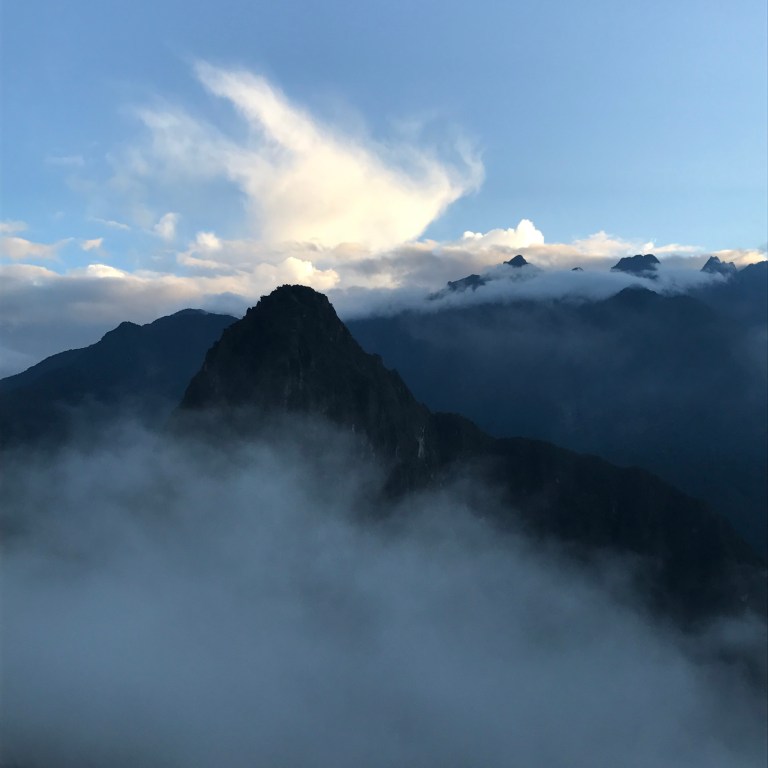
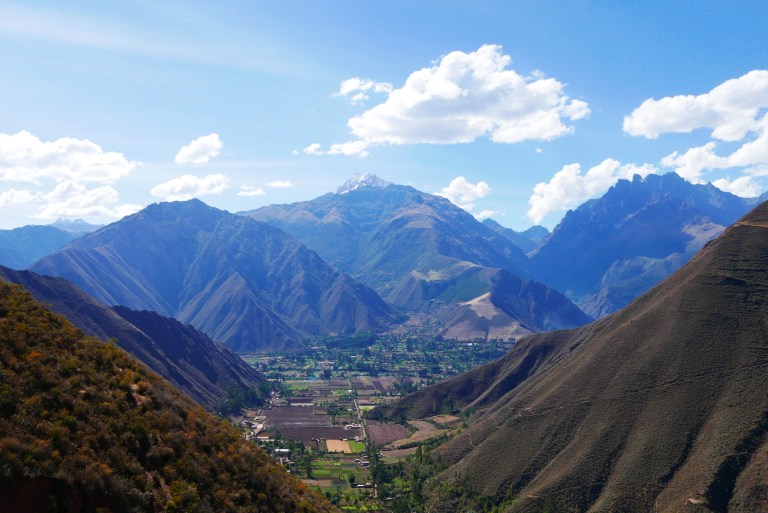
We’d initially thought Cusco would be a massive tourist trap. And it is indeed very touristy but, to be fair, it still preserves its charm. There are tons of options for everyone and it is undeniably a beautiful city. It sits at 3,399 m of altitude in the middle of a spectacular valley which runs along the Urubamba River and once formed the heart of the Inca Empire. It’s known as the Sacred Valley of the Incas.
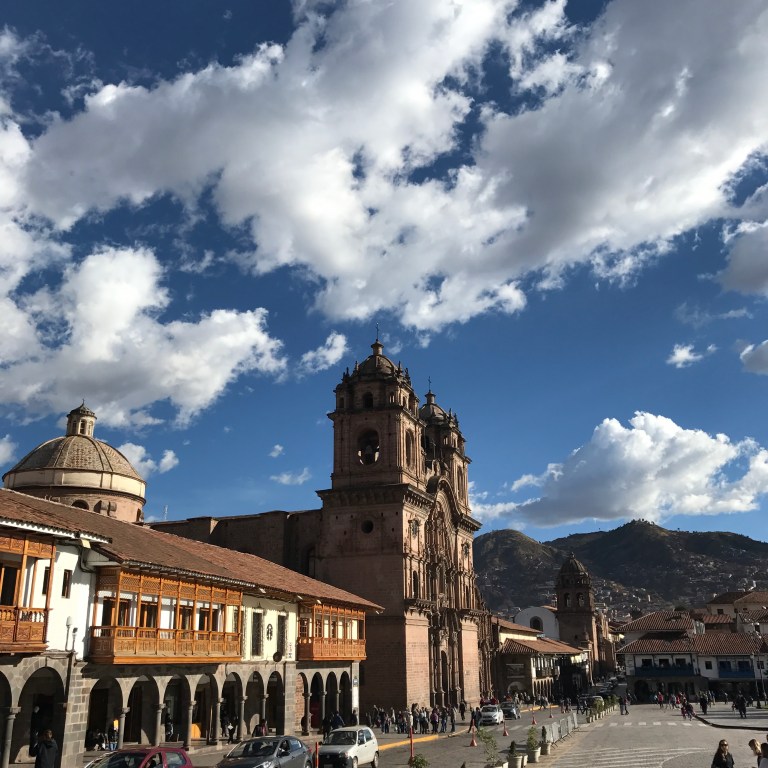


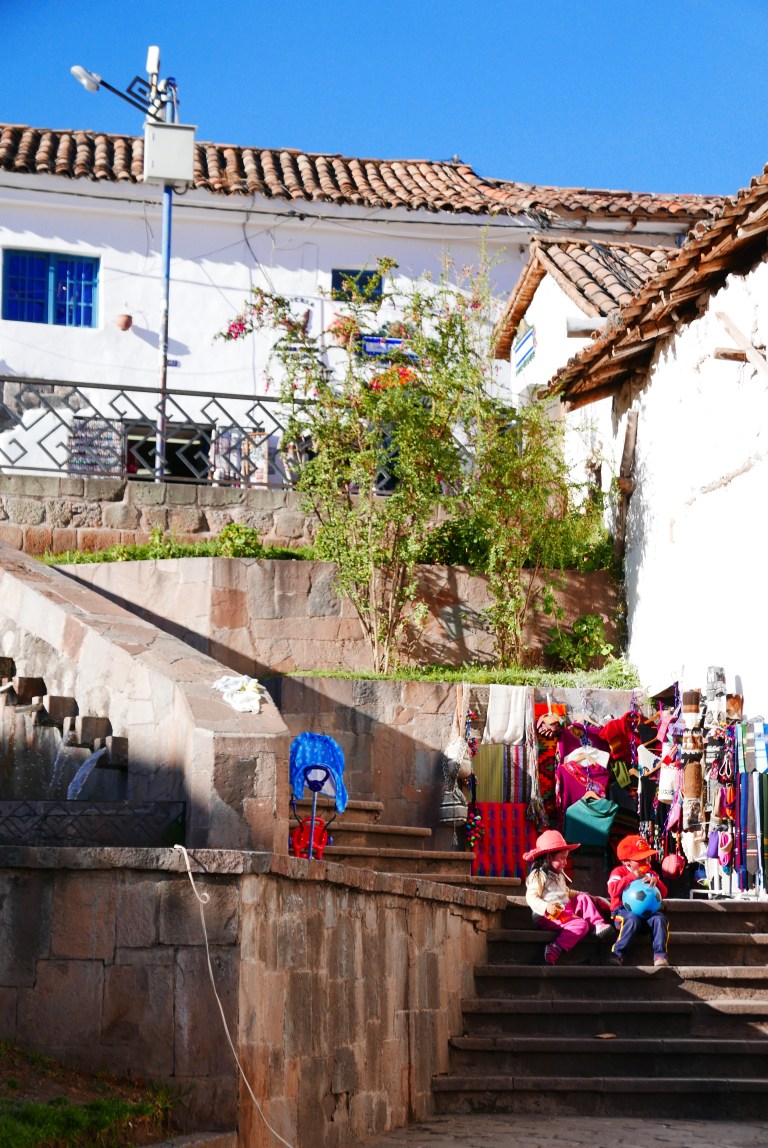
We spent the first few days exploring Cusco, its cuisine and some of the neighborhoods. Coming from Bolivia, where food options were generally limited we were craving some of those famous Peruvian dishes. And we surely got our fix.
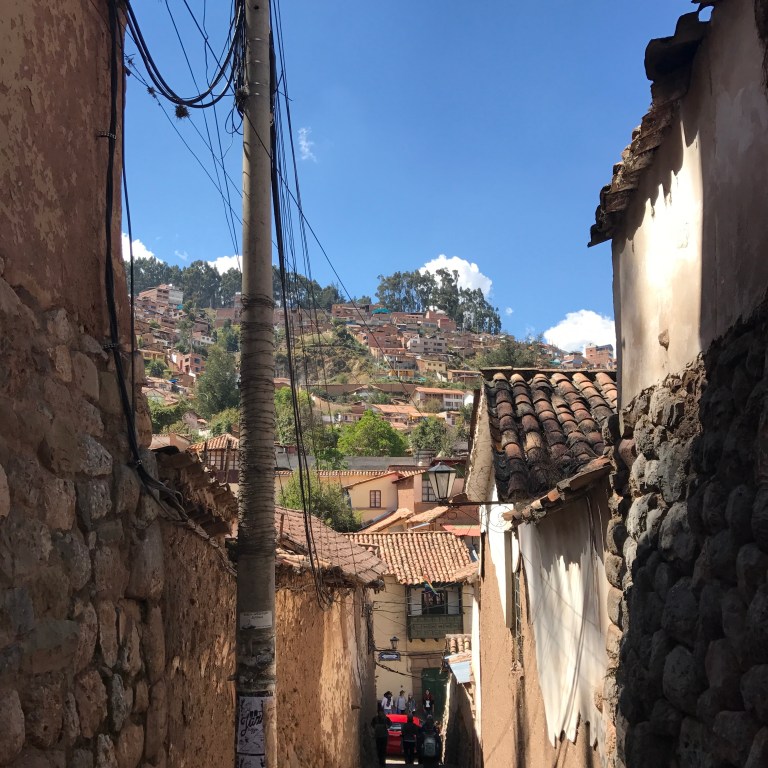
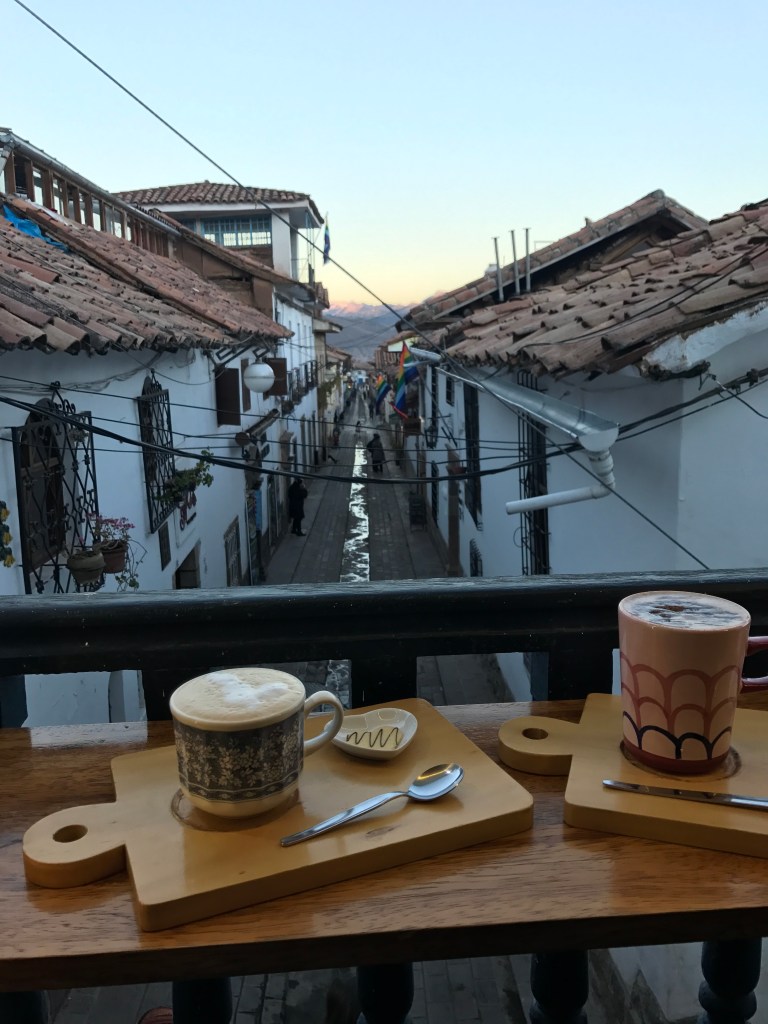
One of the neighborhoods deserves a special mention: San Blas. Also known as Barrio de los artesanos, this hilly district with many colonial architectural influences has great views of the city, cute little artisan shops and beautiful cafes. Food options are varied in terms of style and prices, which is great for every wallet. San Blas is also quitter than what one would think. It is very close to Cusco’s Plaza de Armas but we didn’t feel it got too crowded even being the month of July. In western terms I’d define it as a ‘hipster hangout’.
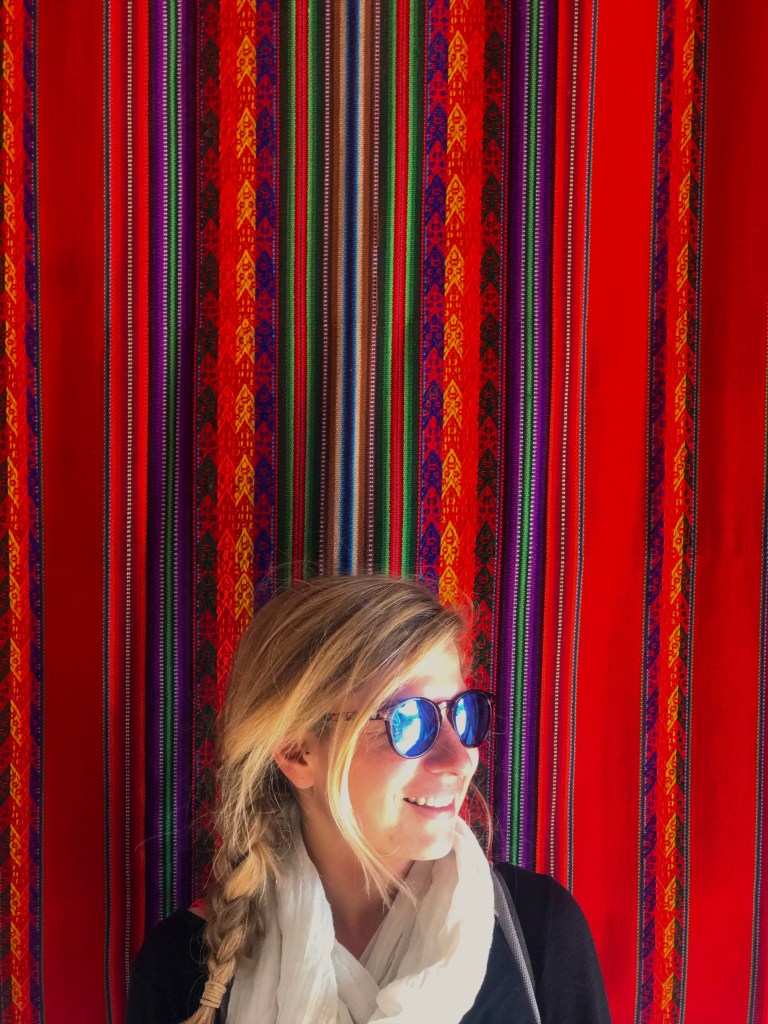

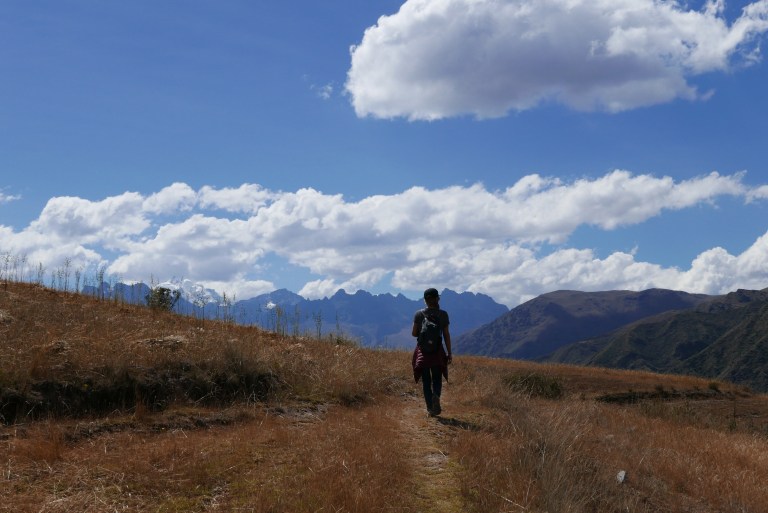
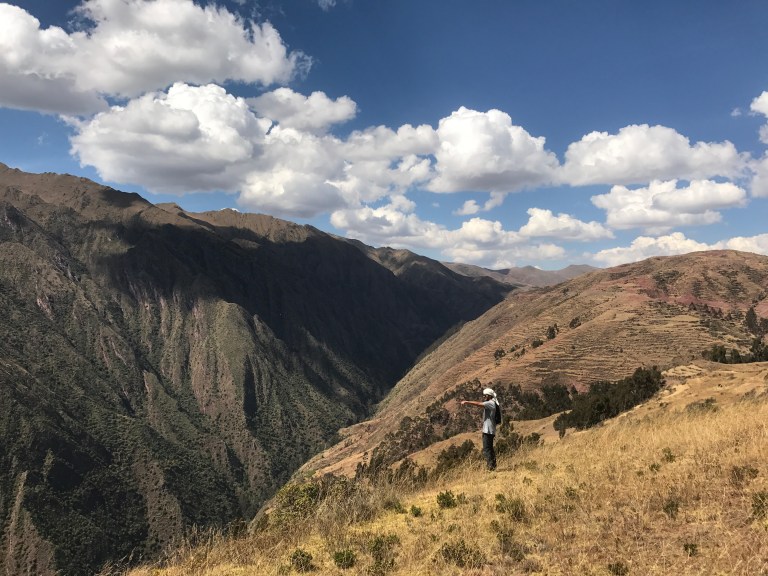
After being familiar with the city we took a few day trips to the Valley so we could get lost into nature and spot some ‘not-so-famous’ ruins. And we actually did. Chinchero was the starting point for a 4 h hike we did one morning and, as surprising as it may sound, we didn’t cross paths with absolutely anyone during the entire time. We walked (mostly downhill) across eucalyptus hills, rivers and some old ruins, which seemed to be fairly well preserved.


And so Machu Picchu time arrived. Despite what all tour operators say and advertise out, there’s a good amount of people that instead of catching the famous train from Cusco to Aguas Calientes, take a bus to a town called Santa Teresa, next to a big Hydroelectric Station. We did the latter and I’m pretty sure it was the right call. First, we got the opportunity of taking a dip into some natural thermal baths at night in Santa Teresa. There we met two catalan girls from Girona. We all would end up staying at the same hostel in Aguas Calientes and enjoying together the hike up to Machu Picchu.
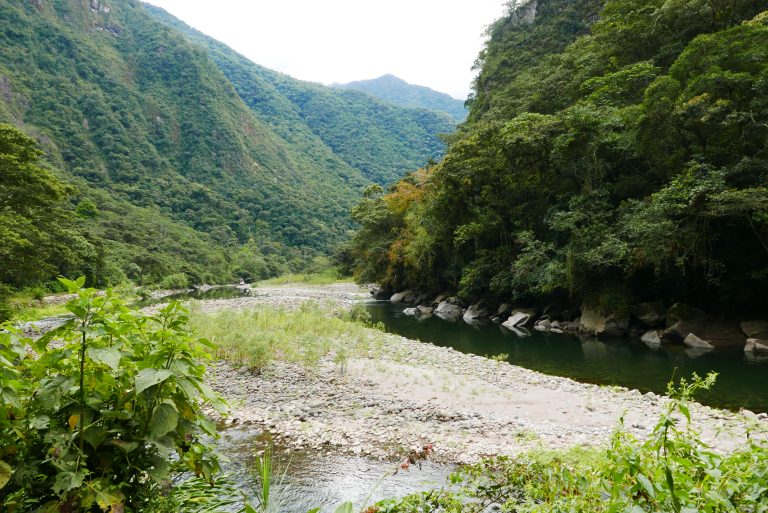
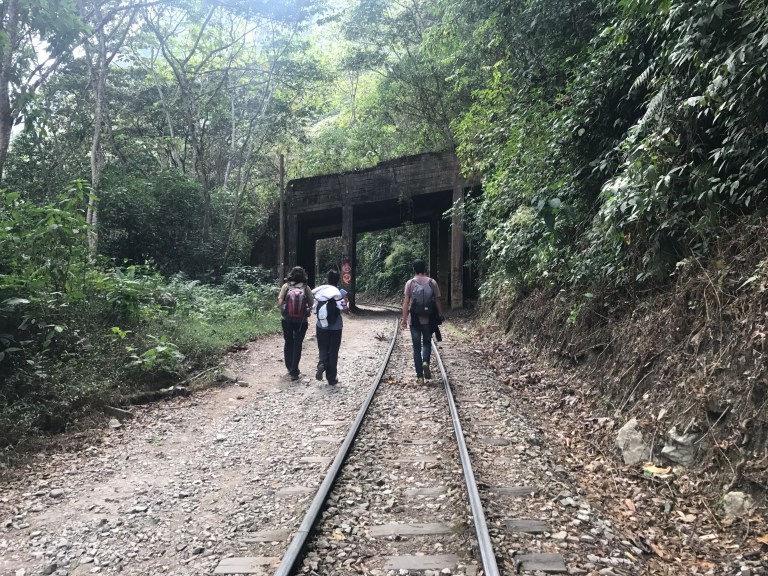
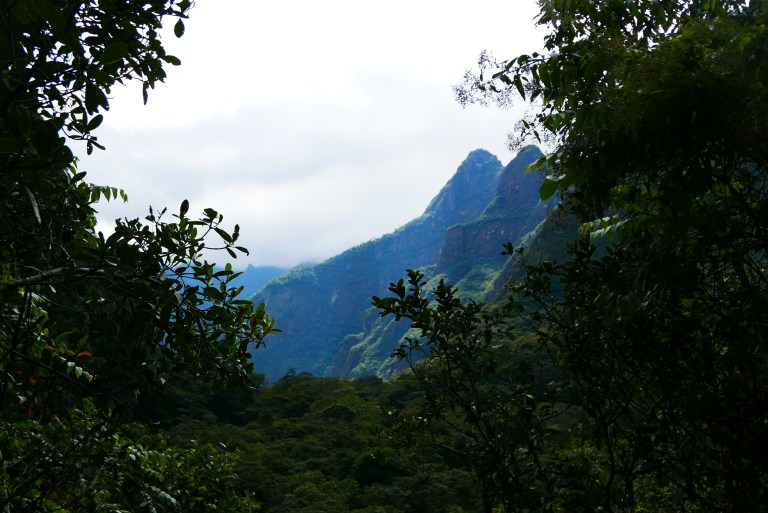

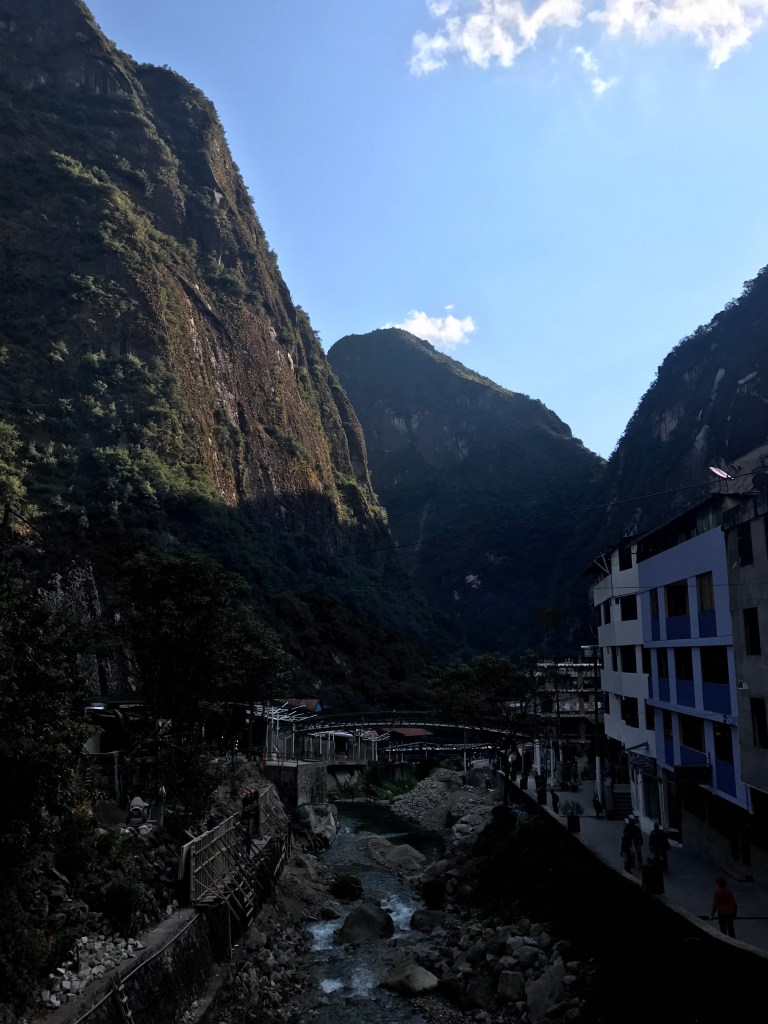

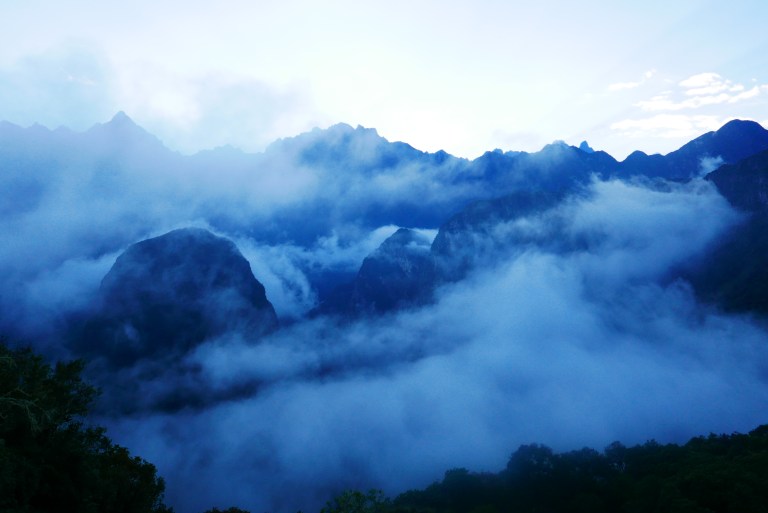
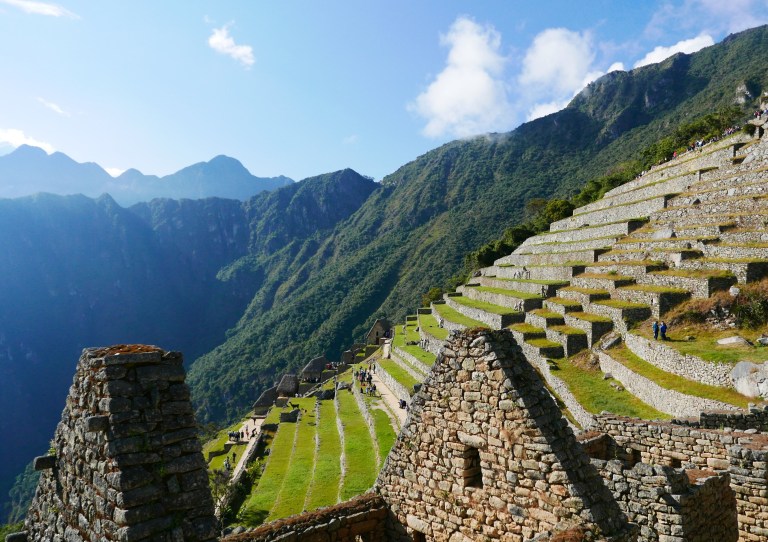
In order to catch the first light in the morning (and also avoid the crowds) we woke up at 4:30am, walked to the foot of the mountain and start hiking up for 45 minutes. The walk is very steep, a breath killer for people who aren’t used to that altitude. By then, luckily, we had spent more than a month living above 3,behind000 m, so it really wasn’t a big deal for us two. It was around 5:45am when we got to the front door, which was still closed. After a short wait we got to finally put our feet into the citadel. A lot of people have to wait for some time at the door until their guides and groups get together and are all ready to start the tour. We leveraged that time to walk up to the main view point of the citadel and stare at the fog rolling out and the sun rising from behind the mountains. Barely no people were around. Witnessing that has been the most amazing feeling of the trip, so far. After the sun was fully shinning and starting to warm up the land we started walking through the famous ruins. It was truly a mind-blowing experience.


 off to the unknown
Magnificent pictures…what an experience. Sooooo happy to see your blog.
LikeLike