A bus dropped us off in La Quiaca, the northernmost town in Argentina. We had to cross the border to the get into Bolivia by foot. It’s funny how every time our Spanish passports see the light, we’re asked about Barcelona and Messi—it surely smoothens up our border crossing. No other questions follow, we get the stamp and are welcomed to Bolivia through Villazón. Here we board a train that will take us straight to Uyuni, a couple hundred miles north.
The landscape doesn’t change a bit from northern Argentina. Still living permanently above 2,500 m surrounded by two different mountain ranges, both part of La Cordillera de los Andes. The Andes range extends all the way from Colombia to the Patagonia, but it actually splits into two different ranges in Bolivia, going back to a single range when entering Chile.

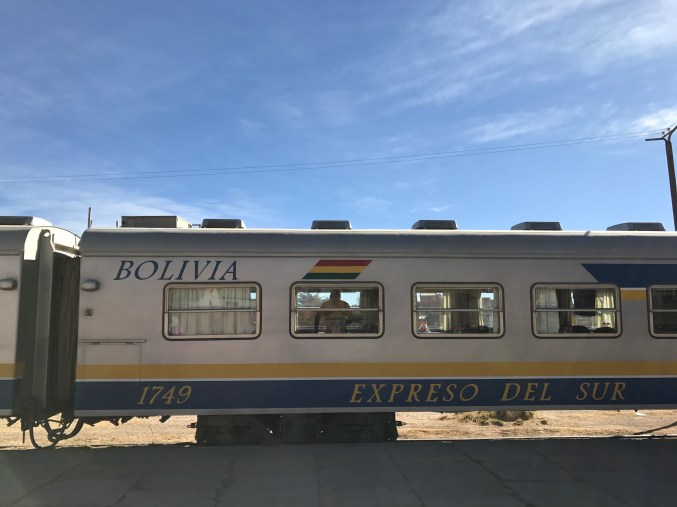
Riding on the ‘Expreso del Sur’ feels like being on a Wes Anderson movie. It’s an old train, comfortable and sort of cozy but everything around us, from the train attendants to the decoration or even the scenery we can see through the window, seem to be taken out of The Gran Budapest Hotel.
We arrived in Uyuni around 11pm and it was FREEZING COLD. We were expecting a temperature drop but not that extreme. The town sits right on a huge plain —part of the Bolivian Altiplano— at 3,700 m above the sea. Basically a huge desert at a really high altitude in raw winter. We headed directly, and as fast as we possibly could, to the hostel. The room, the shower, the bed… everything was pretty cold although nothing could beat our excitement to go witness what would be one of the highlights of the continent: el Salar de Uyuni and its surroundings.
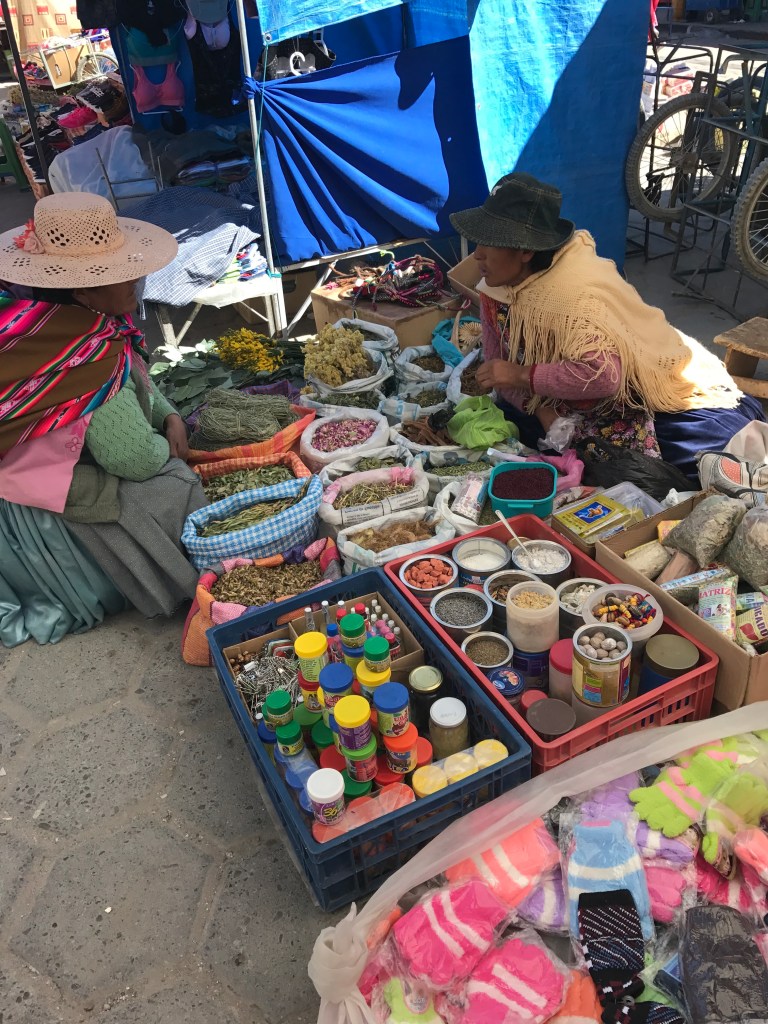
Before embarking to a multi day excursion to the ‘Salar’ and another bunch of nature’s wanders in southwest Bolivia, we decided to take a “day off” and stroll around town. During the day the temperatures rose dramatically, making us take off the jackets when we were under the sun light. Uyuni is basically a pretty deceiving tourist town that happens to be the main gateway to the salt flat. Almost everything in there is tourist driven: restaurants, transportation, street market,… It is actually way more expensive than the rest of Bolivia (we will later discover) but truth is that it is nothing more than what we commonly call a ‘tourist trap’ with the look & feel of a frightening ghost town—specially at night, when hundreds of homeless dogs go out to the non-paved, cold and dusty streets to ‘hunt a bite’, usually amongst big piles of trash.

The next morning we loaded our bags on top of a huge Toyota Land Cruiser and finally departed to the Salt Flat. Let me recognize up front that we’ve always been very skeptical when it comes to guided tours —which are always associated with a pricy, overcrowded and touristy experience. And actually there isn’t a real alternative when it comes to visit the Salt Flat area. Well, virtually there is. You could rent a cheap ass car and try to adventure by yourself into extremely rocky, snowy and muddy terrain and countless hours of driving though the wild with no clue of where you are at. But it doesn’t seem like a valid option.
And oh boy how wrong we were… both the company and the guide we took the tour with exceeded our expectations. Accommodation, food and service were really good.
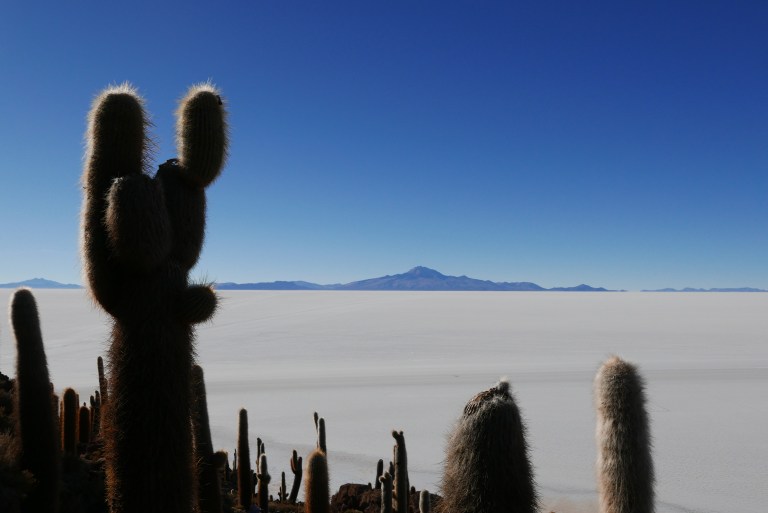
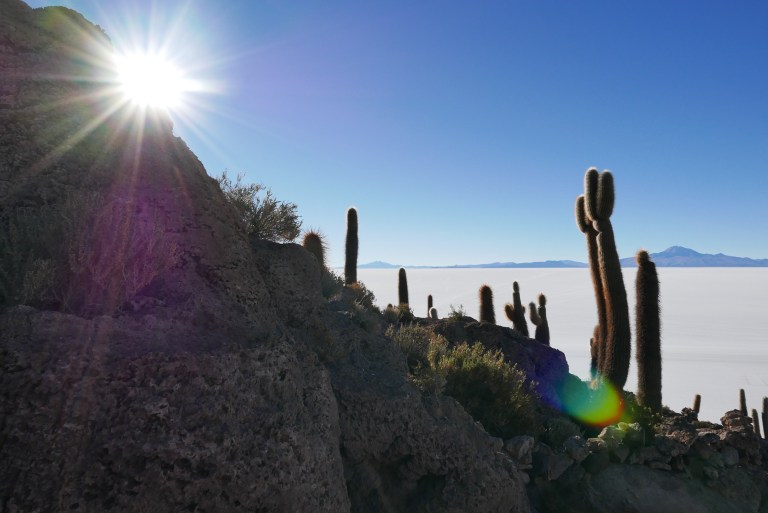
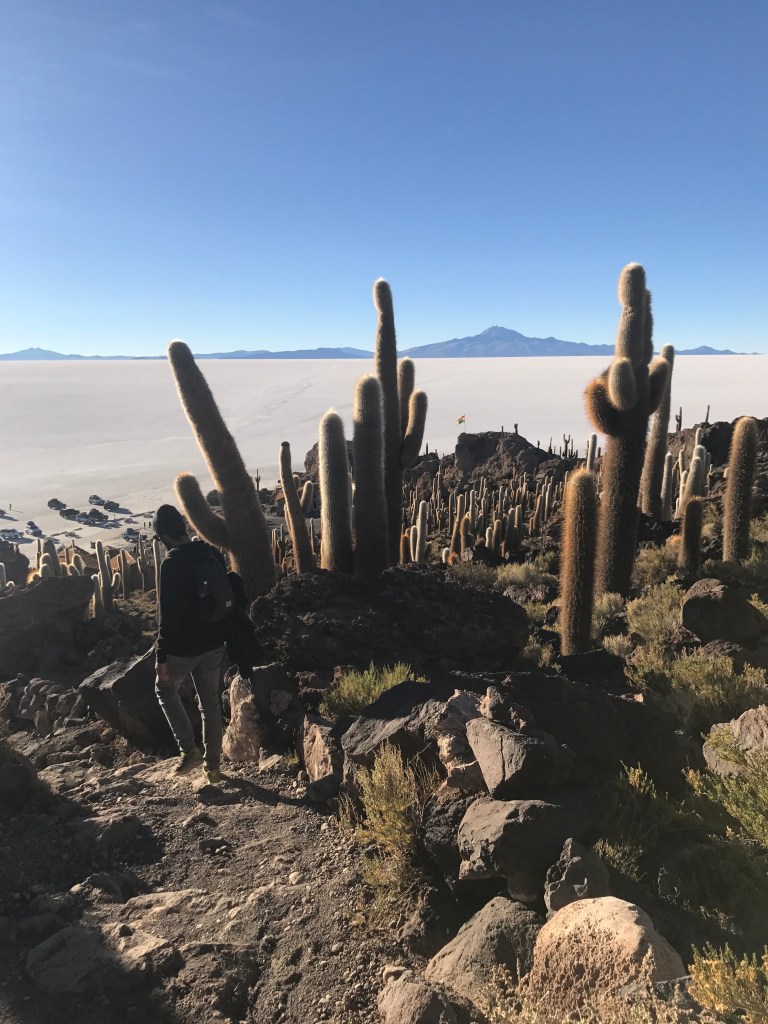
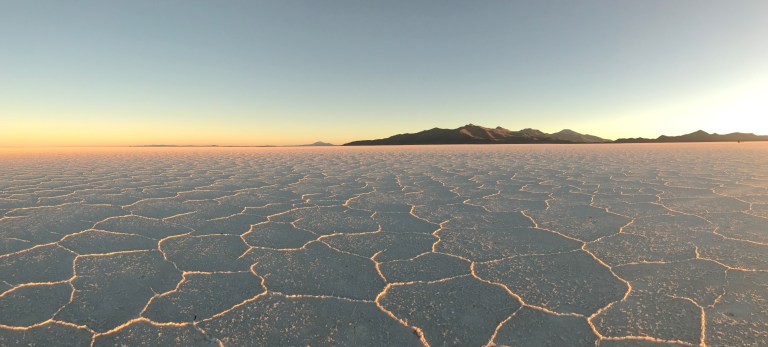
The first day is probably the one everyone is more anxiously waiting for. The day you’ll get to put your feet on the Salar itself for a bunch of hours. Meaning you’ve also got the time to take hundreds and hundreds of pictures. One of the coolest things to me was walking around and island full of giant cactuses right in the middle of the Salar, the Incahuasi Island.




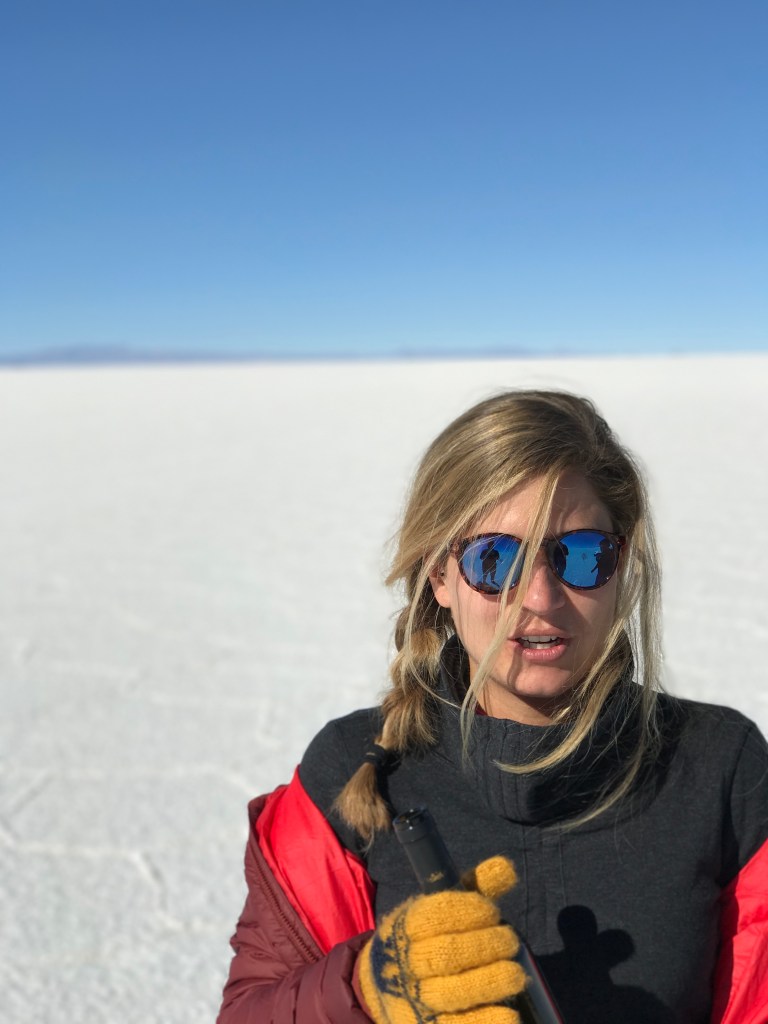
Another really cool experience was spending the first night in a salt ‘hotel’. These ‘hospedajes’ are almost completely constructed out of bricks made from dried salt. I wouldn’t describe them as warm or cozy but those salty walls keep you fairly protected from the outside freezing temperatures during the night, which can reach up to -20 C.


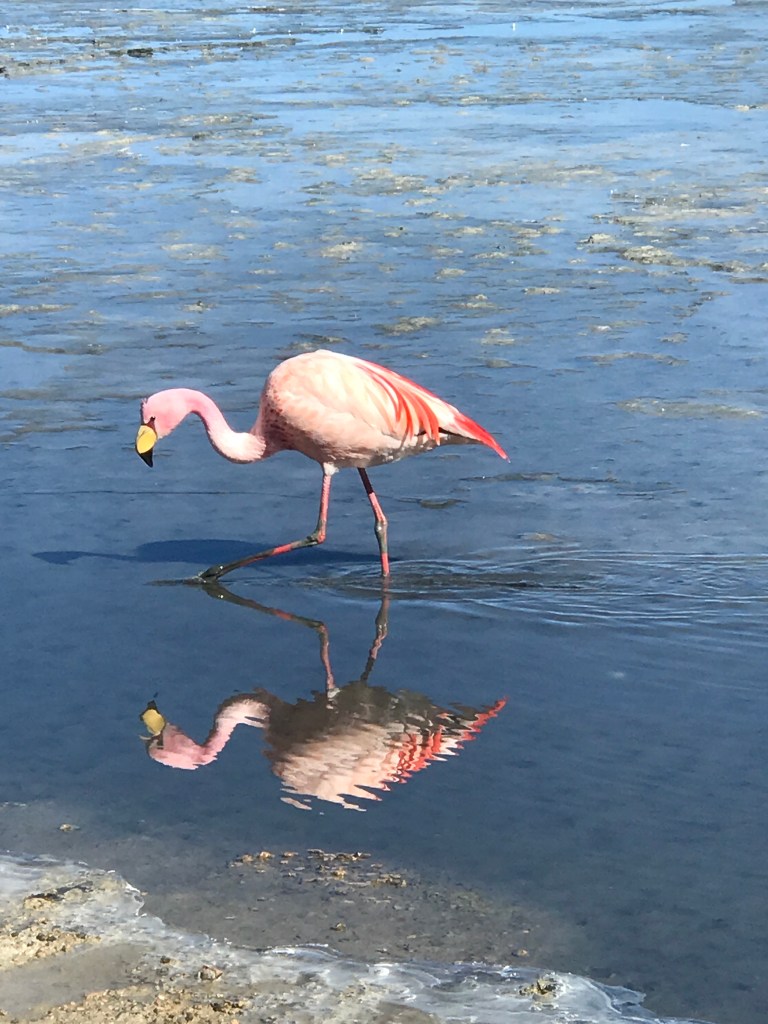
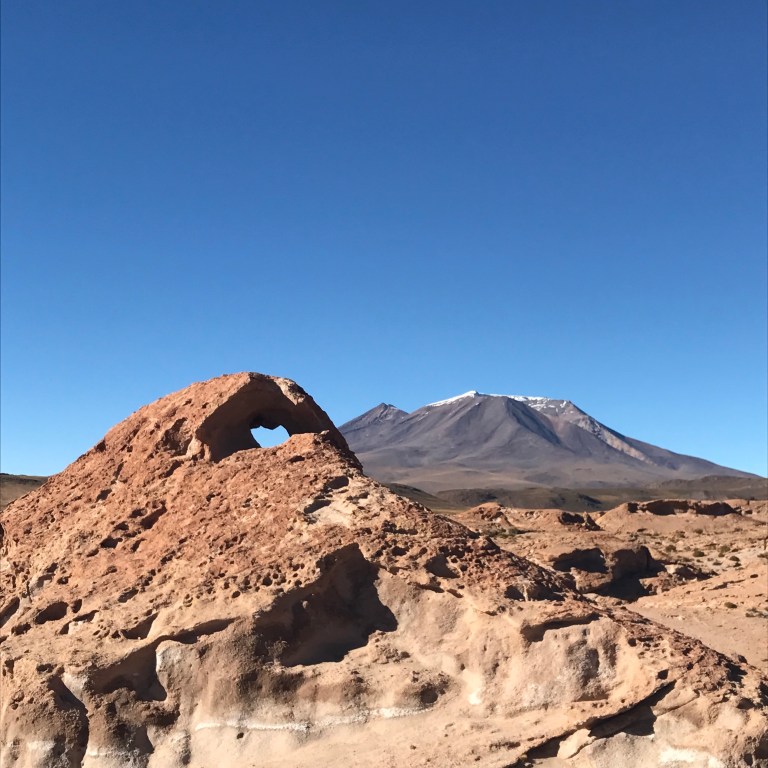
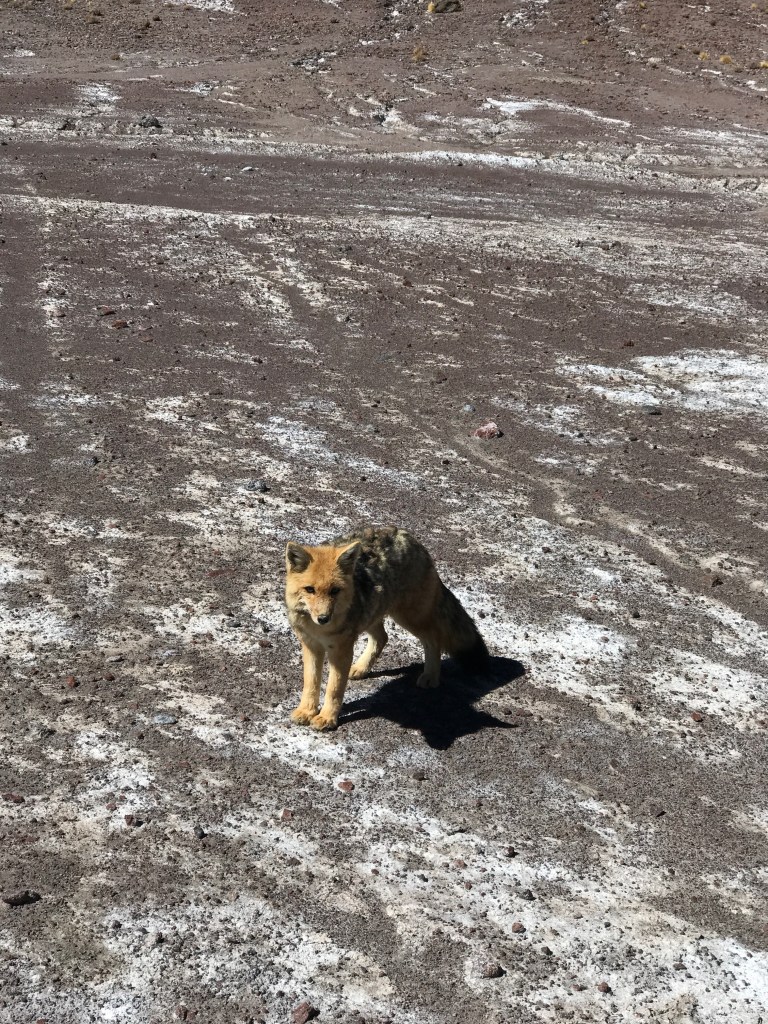
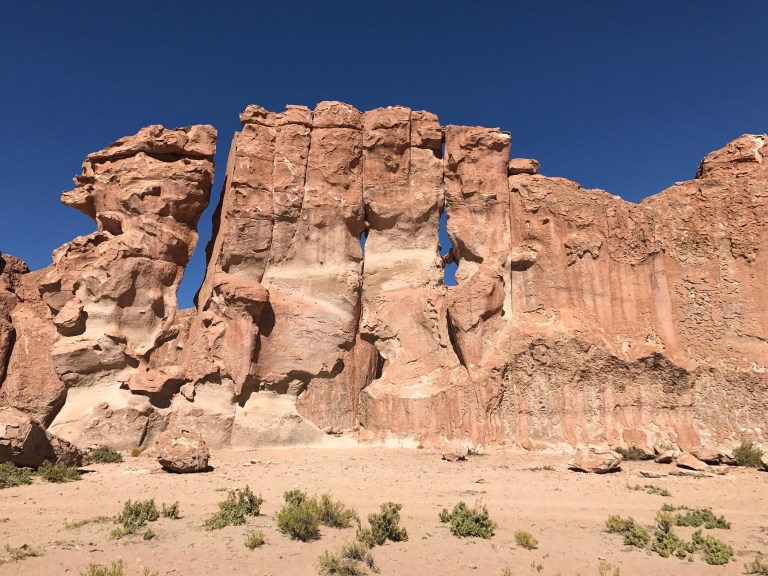
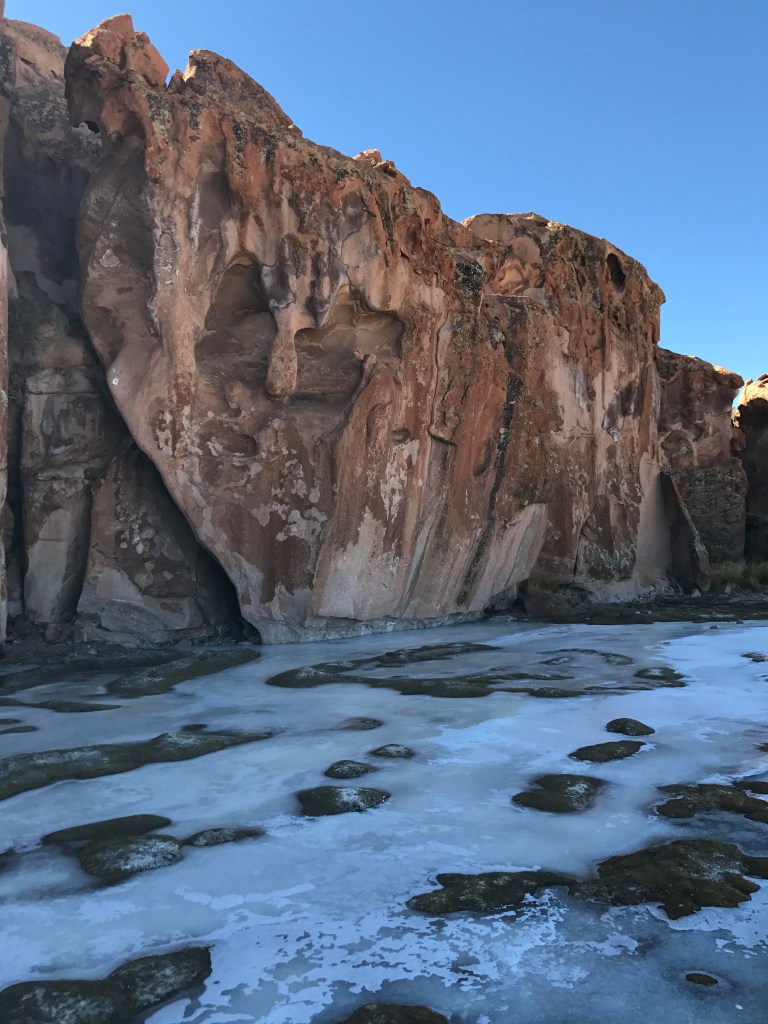
Day two was spent mostly in extremely rugged terrain amongst colored lagunas, flamingos (!), foxes, llamas, hot geysers, crazy rock formations and volcanoes. We honestly thought flamingos were tropical birds and we would have never imagined to find them in high altitude lagoons surrounded by snowy mountains



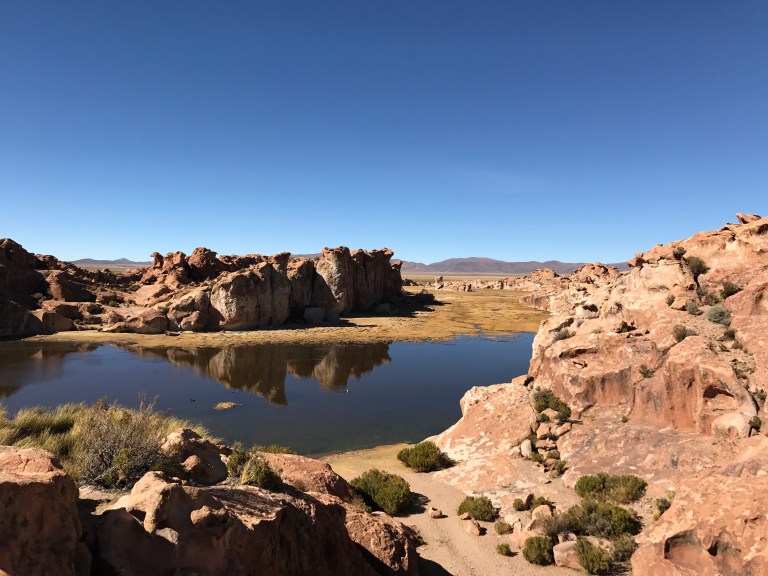
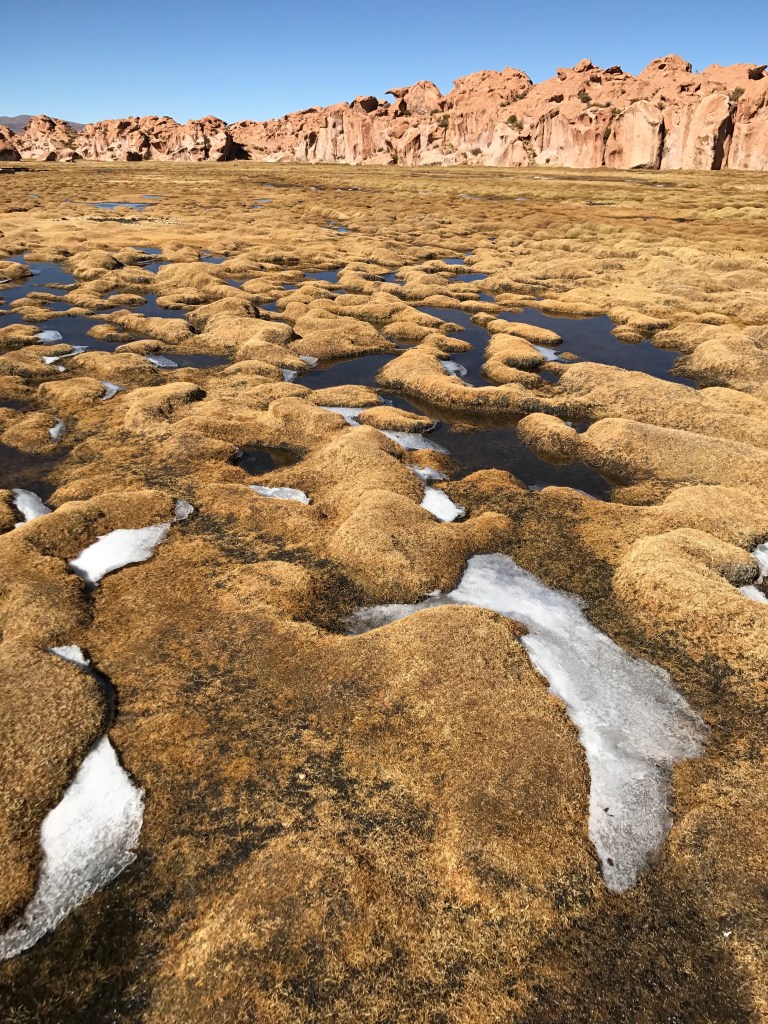
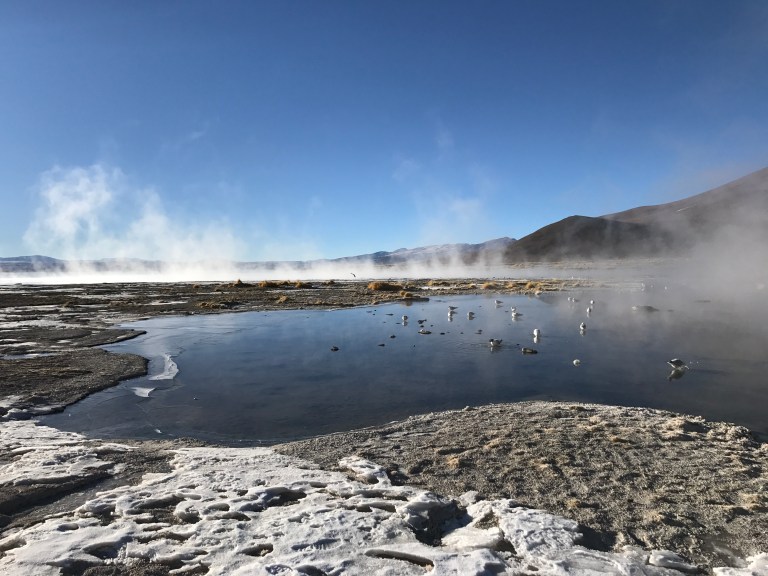
On the third and last day we woke up at 4:30am to see the sun rising while we drove to some hot springs really close to the border with Chile. There we took a very warm dip before heading back to Uyuni through native towns which were celebrating the Aymara New Year aka winter solstice.



 off to the unknown
És magnífic. Varem anar al 2008 i ho recordo encara amb emoció.
LikeLiked by 1 person
¡Quiero ir! Saludos y un fuerte abrazo a ambos.
LikeLiked by 1 person
Brutal!! Este era el post que andaba buscando… Vaya viajazo! Un abrazo
LikeLiked by 1 person